


 Write a comment
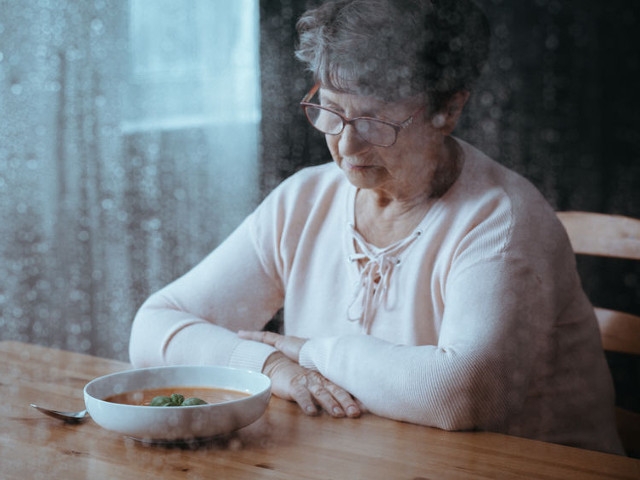
Although depression is common among older adults, it isn't a normal part of aging. Treatment helps most people reclaim a better quality of life.
Here's a message for seniors who are feeling blue: Depression is not a normal part of growing older, and it's not something to keep quiet about or deal with on your own. It's a serious illness that can often be successfully treated.
Recognizing when you or a loved one might be depressed and seeking treatment if necessary are crucial and potentially even lifesaving steps.
Beyond the blues
No one is a stranger to the occasional blue mood that lifts after a while. But depression is a chronic problem. And it can have a major effect on an older person's life, says Peggy Szwabo, PhD, a fellow of the American Geriatrics Society.
The effects of depression in seniors can include:
Disrupted daily life. Depression can affect eating habits, cause sleepless nights, drain your energy and put a halt to life's usual pleasures.
Complicated health problems. Depression can make it difficult to manage other serious illnesses, such as heart disease.
Suicide. Seniors are at risk for suicide, which research has linked to depression, according to the National Institute of Mental Health.
Why some seniors get depressed
Depression has no single cause, according to the National Institute on Aging. Factors such as a personal or family history of depression may increase an older person's risk for the problem.
Although depression is not a normal part of aging, according to HelpGuide.org some potentially difficult life changes and stressful events that can occur as we get older may contribute, such as:
- Isolation and loneliness.
- Loss of a loved one or close friends.
- Having a serious illness.
- Changes in finances.
For some people, these events trigger only a temporary reaction. However, in other cases, the change or stressful event can lead to depression.
Signs of depression
Depression's symptoms last for two or more weeks. They typically involve profound sadness and lack of interest in usual activities, such as a weekly hair appointment or a favorite hobby.
Other symptoms of depression include:
- Feeling fatigued or sluggish.
- Unexplained changes in weight or loss of appetite.
- Trouble sleeping or sleeping too much.
- Feelings of worthlessness, emptiness, hopelessness or guilt.
- Trouble concentrating or making decisions.
- Chronic aches or pains.
- Feeling nervous, restless or irritable.
- Crying a lot.
- Thoughts of death or suicide.
If you notice any of these signs, see your healthcare provider for an evaluation. If you suspect them in a loved one, you may want to gently suggest he or she discuss them with a doctor.
In some cases, symptoms of depression can be due to another problem, such as a thyroid condition or dementia. Blood pressure drugs or steroid medications also can cause mood changes. Your doctor can help you identify the cause of your symptoms.
Treatment can help
Seeking help for depression isn't a sign of weakness. And, despite what some may suggest, depressed people can't simply pull themselves up by their bootstraps.
Fortunately, there are a variety of treatments, such as antidepressant medications and talk therapy, that can help ease depression. Your doctor can help you decide on the treatment plan that will be best for you.
# # # About Oswego Health:
The mission of Oswego Health is to provide accessible, quality care and improve the health of residents throughout Oswego County. As a not-for-profit healthcare system that was established in 1881, Oswego Health is proud to continue to be one of Oswego County’s largest employers. More than 1,200 employees work for the Oswego Health system, which includes the 164-bed community Oswego Hospital, a 28-bed psychiatric acute-care facility with multiple outpatient behavioral health service locations, The Manor at Seneca Hill, a 120-bed skilled nursing facility, and Springside at Seneca Hill, a retirement community. Oswego Health also has Health Services Centers located throughout Oswego County. For more information about Oswego Health, please visit our website www.oswegohealth.org.
