


 Write a comment
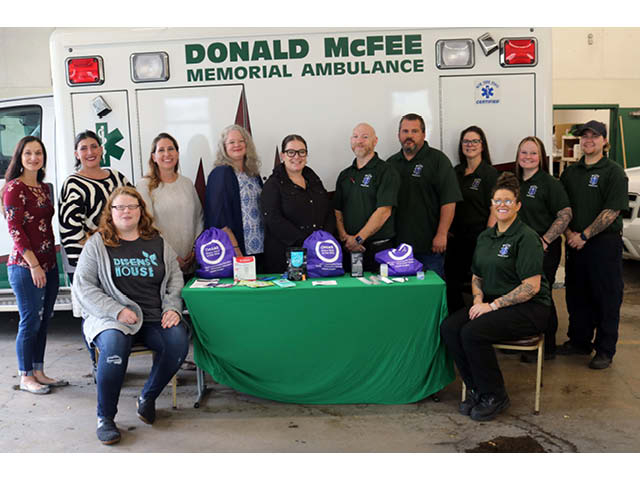
The Oswego County Opioid Response Consortium (OCORC) has created Harm Reduction bags for distribution to community partners and stakeholders that can get the Harm Reduction Bags into the hands of people who are using drugs.
Substance Use Disorder impacts the quality of life for dozens of individuals and families throughout Oswego County. To address this issue area professionals, community members and people with lived experience have come together to form the Oswego County Opioid Response Consortium (OCORC).
As part of its mission to promote and advocate for inclusive, available, and affordable Substance Use Disorder (SUD) prevention, treatment, and recovery services that are accessible to all, OCORC has created Harm Reduction bags for distribution to community partners and stakeholders that can get the Harm Reduction Bags into the hands of people who are using drugs.
“Harm reduction is a set of practical strategies and ideas aimed at reducing negative consequences associated with drug use,” said Oswego County Opportunities (OCO) Coordinator of Community Health Joelle Hutson. “Harm Reduction is also a movement for social justice built on a belief in, and respect for, the rights of people who use drugs. Harm Reduction is practiced every day by folks- think sunscreen, or putting on your seatbelt. Those actions are harm reduction. The Oswego County Opioid Response Consortium Now takes that same thinking and applies it to folks who are using drugs.”
OCORC has put together 400 Harm Reduction Bags and have begun distributing them throughout the county. “We made assembly of the bags a bit of an event,” said Hutson. “We opened it up to the public and had a great response. Community members, students from SUNY Oswego, and OCORC members volunteered their time to help assemble the bags.”
The Harm Reduction Bags are filled with a variety of items ranging from hygiene products, antibiotic ointment, socks and hand warmers to Fentanyl and Xylazin test strips, Detera bags, and raincoats. Additionally the bags contain vital information for those seeking treatment.
“It was a great experience for everyone,” said Hutson, “We offered Narcan training and Elim Grace Church had pizza available for us. It was also an opportunity to engage community members in conversations about what the items in the bags are used for and help break down the stigma associated with people who use drugs.”
“The vision of OCORC is to create an effective, streamlined, forward-thinking, sustainable OUD/SUD treatment and prevention system that serves the needs and improves the health and wellbeing of all members of our community,” added Hutson. “Distributing Harm Reduction Bags is an example of one way in which we can make that vision a reality.”
