


 Write a comment
New York Governor Kathy Hochul announced Wednesday that State University of New York campuses are investing nearly $10 million in annual State funding to increase their mental health services and support for students, faculty, and staff.
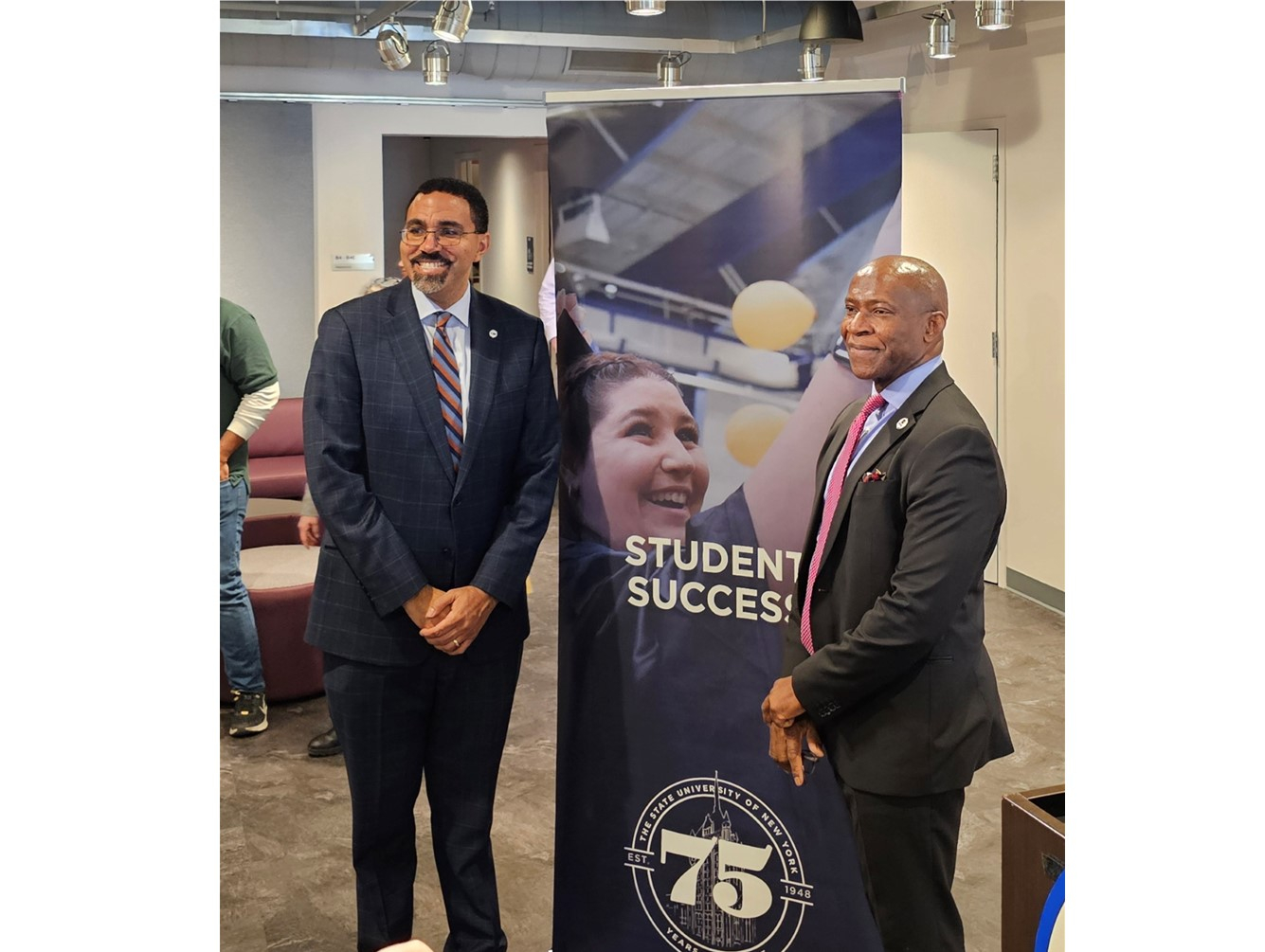
This funding was secured through the Governor’s and the New York State Legislature’s historic $163 million recurring increase in direct operating aid to SUNY’s State-operated campuses this year. To highlight the impact of the funding, SUNY Chancellor John B. King, Jr. visited SUNY Oswego on Wednesday. He spoke with students about mental health, and met with counselors and staff at the recently renovated Mary Walker Health Center, which houses the campus Counseling Services.
To build on the campus’ model counseling operation that has long been at the forefront of initiatives for SUNY and higher education in general, SUNY Oswego is investing its new state funding in hiring more staff to support students, such as staff that specialize in providing care to students from marginalized backgrounds, and entering tele-counseling contracts to provide more access to therapy and practitioners from diverse backgrounds.
SUNY Oswego will also be entering counselor contracts to provide services over the summer months, as well as providing an increase in pay to per diem staff who offer these much-needed services.
Chancellor King said, “Mental health is health, and as more students seek mental health care, we need to be there for them with expanded services, including having enough counselors on campus or online 24-7. Mental health care is a critical support for student success, and we are grateful for the Governor’s ongoing commitment and investment across SUNY’s campuses, including $10 million in annual funding for mental health support.”
SUNY Oswego President Peter O. Nwosu sai d, “We applaud Chancellor Kingand the SUNY system for their ongoing attention to mental wellness and support for such important services. The breadth and depth of our commitment to student wellbeing is a big part of our campus culture, and these funds will allow us to build upon our efforts in a healthy and substantial way.”
