

 Write a comment


|
|
 30 Sep 2026 30 Sep 202610:00AM - Supporting Loved Ones in Recovery Talk (Fulton) Friends of Recovery Community Outreach Center |
 06 Oct 2026 06 Oct 202612:00PM - 02:00PM Pipe Cleaner Butterfly Craft (Fulton) Friends of Recovery Community Outreach Center |
 06 Dec 2026 06 Dec 202604:30PM - 05:30PM Free Will Dinner (Oswego) Oswego Trinity United Methodist Church |
| 01 Nov 2026 04:30PM - 05:30PM Free Will Dinner (Oswego) Oswego Trinity United Methodist Church |
 Super DIRT Week 54 Super DIRT Week 54Oct 7 Oswego Speedway |
 CNY Pumpkin Fest (Oswego) CNY Pumpkin Fest (Oswego)11:00AM Oct 3 Washington Square Park (East) |
 Ghost Hunt @ Fort Ontario Ghost Hunt @ Fort OntarioOct 16 Fort Ontario Historic Site |
 Locktoberfest (Phoenix) Locktoberfest (Phoenix)11:00AM Oct 3 Phoenix, NY |
 Cody's Famous Chicken BBQ (Fulton) Cody's Famous Chicken BBQ (Fulton)11:00AM Nov 15 Cody Volunteer Fire Dept. Station 2 |
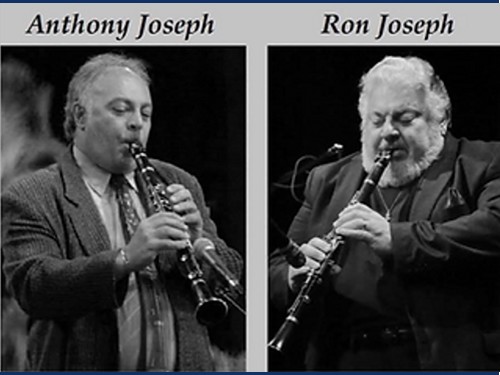
The opening event of #JazzByTheLake for Fall of 2026 showcases The Joseph Brothers Quintet Clarinet Summit "One More Time"
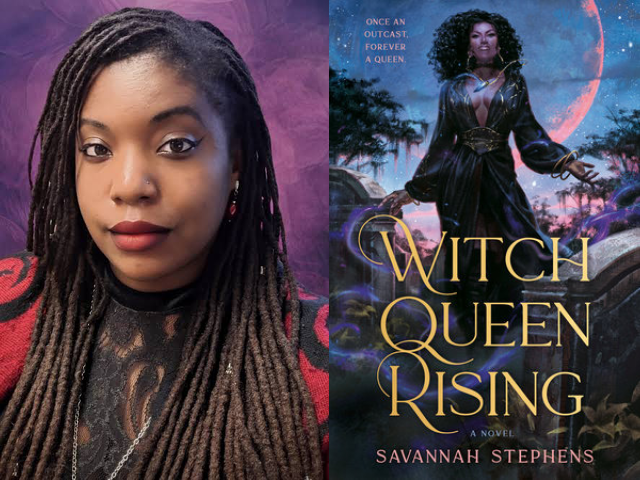
(Oswego, New York) — Just in time for spooky season, Savannah Stephens will visit the library on Saturday, October 3rd, from 1 to 2 pm to talk about her book, Witch Queen Rising.
Be the first to comment.
|
|
Be the first to comment.
