


 Write a comment
On Thursday July 25, community members from the neighborhood surrounding the Fulton Seventh Day Adventist Church gathered in the church to hear a proposal for a homeless shelter in their neighborhood.
The proposal and presentation was given by Mayor Jim Rice, Pastor John Livergood, Fulton Police Chief Michael Curtis, and Victory Transformation Executive Director Mary Curcio.
This is an ongoing project, with the proposal intended to gauge community feelings about the shelter and if they would move forward with rezoning and development of the shelter. Victory Transformation has a current men’s shelter in Oswego, located across from the Oswego Public Library. The presentation given by Curcio outlined the success the shelter has had and how it would be beneficial to add a Fulton location.
“So our goals for the men are really important. One of the things I've learned since I stepped into Victory is it takes time to build community, and it takes time for the men to kind of work with each other, be with each other. We're being good neighbors on the inside, so when they leave Victory, they're your good neighbor,” Curcio said.
The shelter is supervised 24 hours a day and has strict procedures to help the men that come through their doors land on their feet. The facility is completely sober and aims to help the men learn structure through daily tasks alongside helping them find permanent housing and employment.
The shelter does not take homeless men straight off the street, however, but instead they are brought in by the Department of Social Services (DSS). This helps Victory ensure that these men want to be helped and succeed outside the walls of the shelter. They also do not allow current drug users or anyone who is not sober.
“The men that come into the house are vetted by DSS, and when we bring them in, we have a tough intake process. We do not take sex offenders at all. If they’re doing drugs or actively drinking, none of that is allowed in the house,” Curcio said.
This is also to ensure that the shelter is not housing dangerous people in the residential area. In addition to this, Curcio explained that all the doors are locked and the men are supervised around the clock. While some other homeless men may wind up at their doorstep, they do not stay there. Instead, the shelter gives them any first aid or essential needs they may require at that time and then calls DSS to bring them in and find a different location.
Despite assurances of community safety and security from Curcio and Chief Curtis, many of the community members were against the idea of the shelter being located in their neighborhood. After the presentation and statements, the room was opened to questions about how this will impact their daily lives, property values, and safety. Fielding these concerns was difficult for the panel of speakers as the community members grew more frustrated and adamant in their refusal.
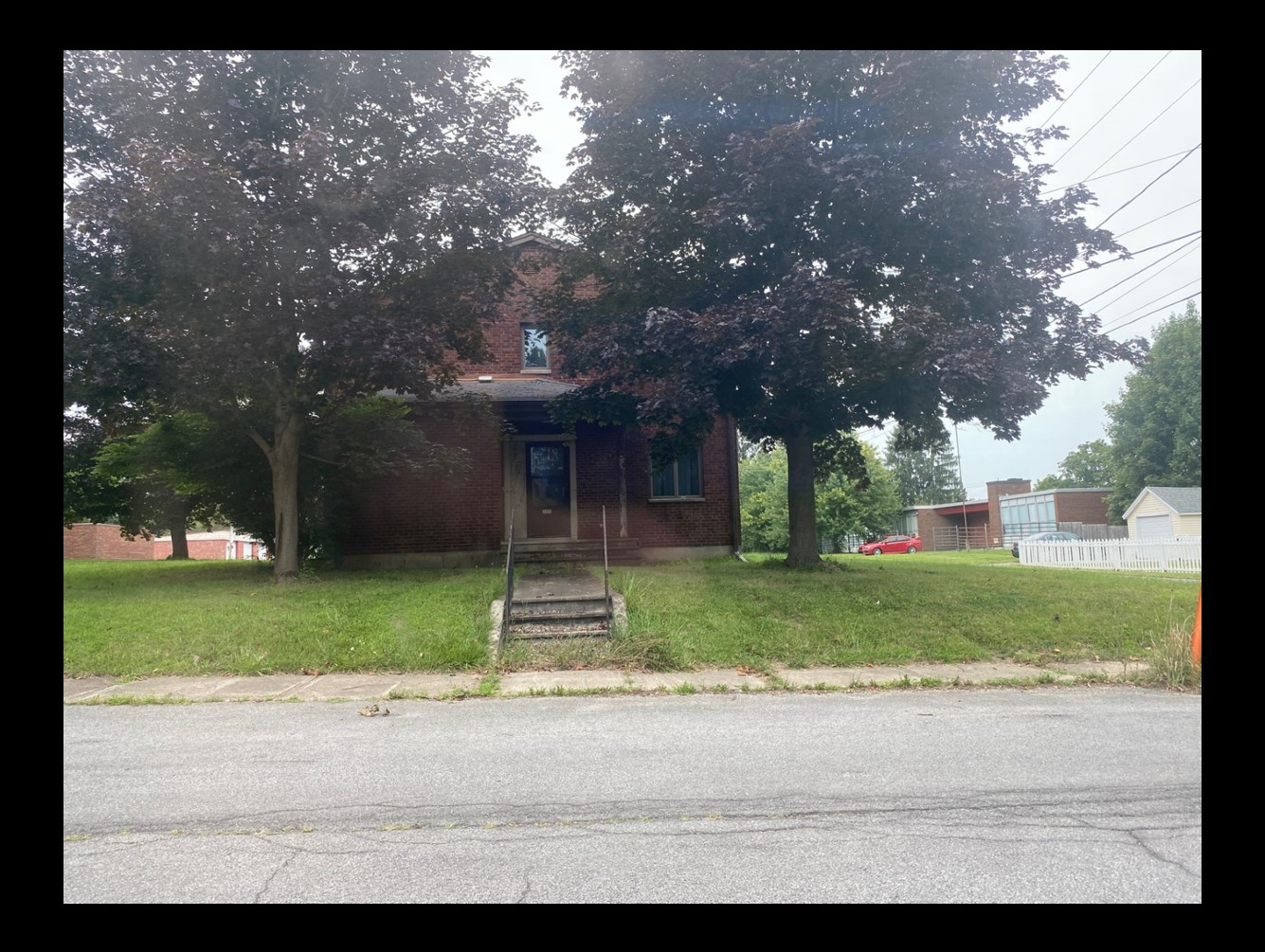
The potential sight would be one of the houses of the campus of the Seventh Day Adventist Church located on Hart Street. The existence of the new shelter location is still up in the air, with the ultimate decision coming down to a city council vote to represent the wants and needs of the neighborhood surrounding the potential location.
